
Around 733 million people faced hunger in 2023, equivalent to one in eleven people globally and one in five in Africa, according to the latest State of Food Security and Nutrition in the World (SOFI) report published today by five United Nations specialized agencies.1
Starvation is caused by many things. Classically bad weather ruins the farming year. Poor farming techniques can cause under-performance. Such ignorance often leads to soil exhaustion, which when combined with climate change, is catastrophic. Likewise, crop and animal diseases decimate output.
External factors are critically important. War, and especially civil war, destroys agricultural productivity. Population displacement leads to economic and social insecurity. Badly maintained roads, corrupt warehouse employees deny starving people food despite its availability.
There are many routes to starvation.
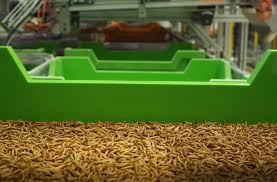
Technology isn’t mentioned. The photos below show how to increase agricultural productivity. Firstly, traditional foods are grown differently; natural foods are repurposed, and finally laboratory foods create new opportunities. Laboratory foods face an uphill task for acceptance. Many people are fearful of Frankenstein foods. Even sophisticated First World populations yearn for ‘organic artisan’ foods – priced as a premium product. Nonetheless no-one cares how a lettuce is grown and so warehouse agriculture shouldn’t face irrational resistance. Repurposed and laboratory foods require education even for First World consumers.
Embracing agricultural technology should make starvation a historical oddity. Water scarcity will disappear as a challenge. The quality of land becomes irrelevant. And the weather is just, well, weather. Externalities meanwhile, remain a vicious cause of starvation, which will continue. Other contingencies can, and should, be controlled.
Traditional Foods

Repurposed Foods
Laboratory Foods

Notes
2 How to fit a farm into a warehouse | The Marketing Society
3 This Insect Farm Uses Robots To Raise Insects For Protein — AGRITECTURE
4 Will lab-grown meat reach our plates? | MIT Technology Review


 Odeboyz's Blog